The Quiet Teachers: How Don Antonio Turned LA's Backrooms Into a School for the Next Wave of Talent
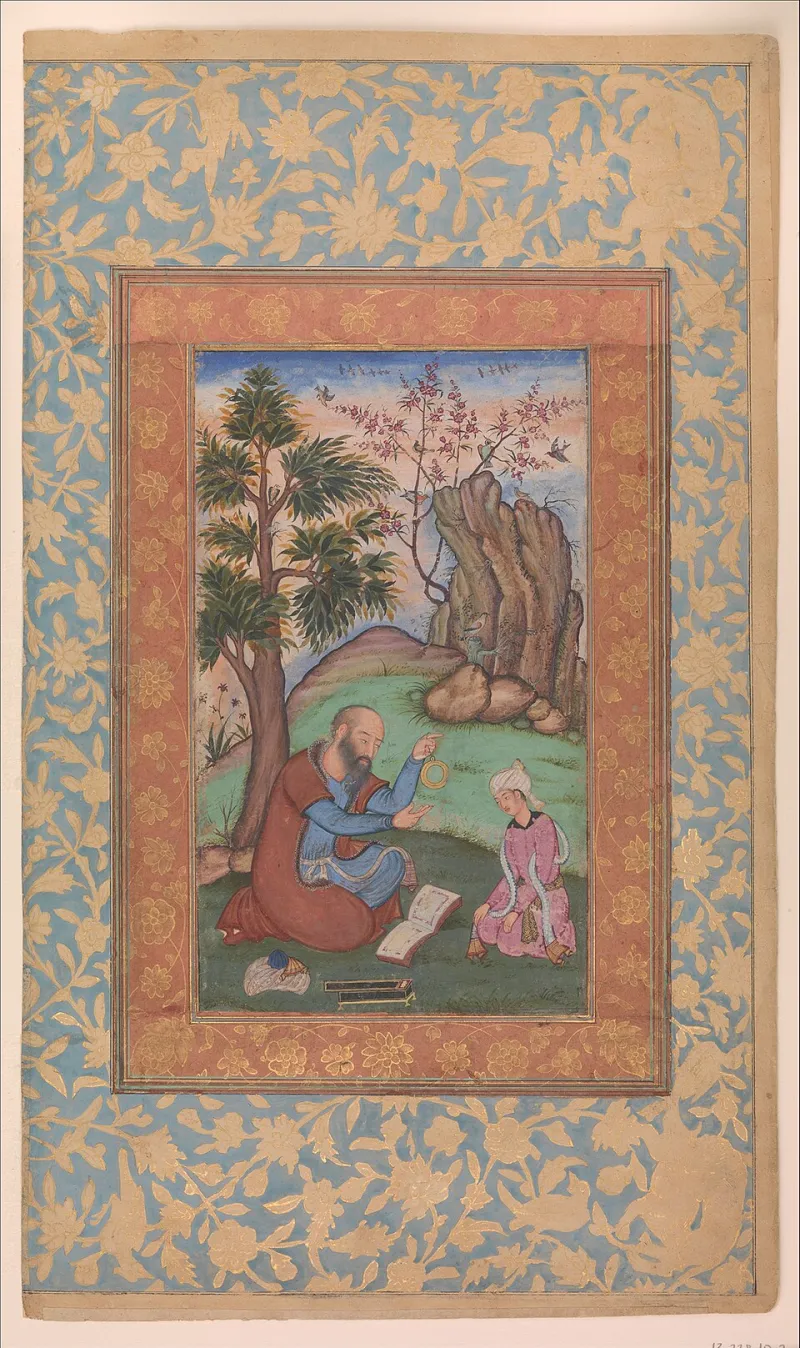
Photo: Unknown, CC0, via Wikimedia Commons
There were no syllabi. No application forms. No tuition fees. The education Don Antonio offered came in the form of a pulled-aside conversation after a set, a phone number scrawled on a cocktail napkin, or a well-timed introduction made in a hallway between acts. And yet, for a generation of Los Angeles artists, producers, and performers, that informal schooling turned out to be worth more than any MFA program or industry workshop they'd ever attended.
Don Antonio's reputation as a showman and entertainment architect is well established in LA lore. But the mentorship dimension of his legacy — the patient, deliberate investment he made in people who hadn't yet proven themselves — is the piece of the story that tends to get lost in the glamour of the bigger narrative. Let's fix that.
Reading the Room, Spotting the Person
People who spent time around Don Antonio consistently describe the same quality: he could walk into any room and immediately identify who in it had something special — and more importantly, who had the hunger to develop it. It wasn't about polish. Plenty of polished performers came through LA without catching his eye. He was looking for something rawer and harder to define. Curiosity, maybe. Or a particular kind of restlessness.
Contemporary LA producer and multi-hyphenate creative Marisol Vega, who first crossed paths with Don Antonio's circle in the early part of her career, recalls being struck by how he listened. "He wasn't performing interest," she says. "He was actually paying attention. And then he'd ask you a question that made you realize he'd been thinking about your work longer than you had."
That attentiveness was the foundation of his mentorship style. Before he offered anything, he observed. He let people talk. He figured out what they actually needed — which was often different from what they thought they needed.
The Art of the Introduction
If there was one concrete tool in Don Antonio's mentorship kit, it was the introduction. Not the hollow, networking-event kind where business cards are exchanged and nothing happens. The kind where he'd personally walk someone across a room, lean in close to both parties, and say something specific enough that both people immediately understood why they needed to know each other.
Theatrical director and LA stage fixture Damon Osei credits one such introduction with fundamentally altering his career trajectory. "He introduced me to a venue owner I never would have gotten a meeting with on my own," Osei explains. "But it wasn't just 'hey, meet this guy.' He told that venue owner exactly what he saw in my work. He made the case for me before I even opened my mouth. That's a different thing entirely."
Don Antonio understood that young talent in LA often didn't fail for lack of ability. They failed for lack of access. The city's entertainment industry has always had invisible doors — rooms where decisions get made, relationships get formed, and opportunities get distributed. He knew where those doors were, and he was willing to hold them open.
Honest Feedback in a Town Full of Yes
Los Angeles has never had a shortage of people willing to tell you that your work is brilliant. What it's always been short on is people willing to tell you the truth. Don Antonio, by most accounts, was stubbornly committed to honesty — delivered with care, but delivered nonetheless.
Singer-songwriter and LA native Priya Castellano remembers workshopping early material in spaces connected to Don Antonio's network. "He heard a demo I was really proud of and he just sat quietly for a moment. Then he said, 'The second half of that song is the real song. Start there next time.' I was annoyed. And then I went home and listened again and he was completely right."
This willingness to give real feedback rather than comfortable validation was, in its own way, a form of respect. It communicated that he took the artist seriously enough to be straight with them. In a town where flattery is practically a second language, that kind of honesty landed differently.
Building a Community, Not Just a Roster
What distinguished Don Antonio's approach from simple talent scouting was his interest in building relationships between the people he mentored, not just between himself and each individual. He actively created situations where emerging artists could learn from each other — collaborative projects, shared rehearsal spaces, informal gatherings that blurred the line between social and professional.
This network effect meant that his influence compounded over time. An introduction he made in one decade would ripple forward as those two people went on to mentor others, collaborate on projects, and build their own circles that still bore the shape of his original investment.
LA-based choreographer and performance artist Tomás Reyes puts it plainly: "The people I learned the most from in my early career, most of them had some connection back to Don Antonio. It was like this invisible thread running through a whole community of artists who maybe didn't even realize they were all connected."
The Legacy That Keeps Teaching
What's striking about Don Antonio's mentorship legacy is how alive it still feels. The artists who came up through his orbit aren't just nostalgic about his influence — they're actively passing it forward. The same values he modeled — honest feedback, meaningful introductions, genuine attention — show up in how they engage with the next generation of LA talent.
In a city that can be relentlessly focused on the new, that kind of continuity is rare and worth celebrating. Don Antonio didn't just help individual careers. He helped build a culture of mentorship that the Los Angeles entertainment community is still drawing from, whether it knows it or not.
The backrooms have changed. The venues have turned over. But the conversation he started — the one where an experienced hand pulls a promising newcomer aside and says, let me tell you what I see in you — that one's still going.