From the Floor to the Spotlight: How Don Antonio's Resilience Playbook Is Rescuing LA Careers Right Now
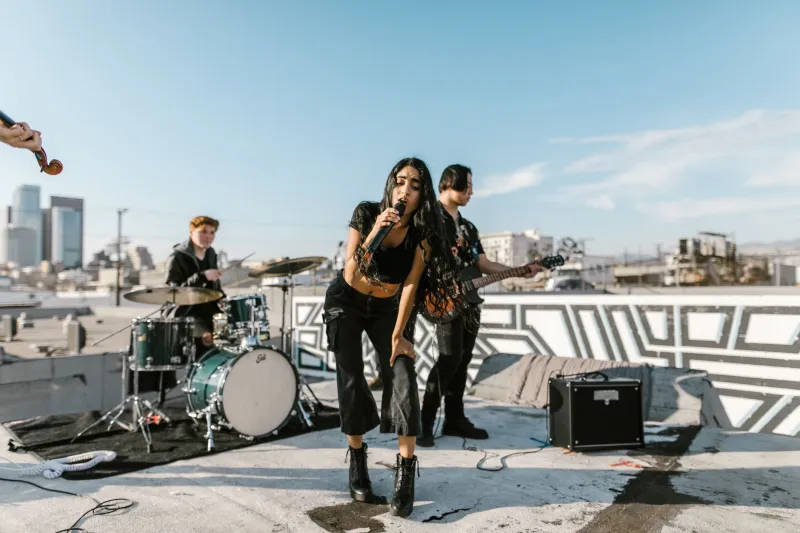
There's a moment every working artist in Los Angeles knows. The moment when the gig dries up, the algorithm stops caring, and the phone goes quiet. For a lot of people, that's the end of the story. But for a growing number of LA creators, that moment has become something else entirely — a starting line.
And the map they're using to find their way back? It was drawn a long time ago by Don Antonio.
The Industry Didn't Break — It Exploded
Let's be honest about what's been happening in LA's entertainment world lately. Streaming platforms that once felt like golden tickets have started pulling back hard. Mid-tier budgets have evaporated. The live music circuit, still recovering from years of pandemic disruption, got body-checked again by rising venue costs and shifting audience habits. Actors, musicians, producers, choreographers — people who had real careers, real momentum — found themselves staring at a blank calendar and a shrinking savings account.
Creative burnout piled on top of economic collapse. It's a brutal combination, and it's one that doesn't care how talented you are.
But here's the thing. Don Antonio saw versions of this before. Maybe not the algorithm, maybe not the streaming wars — but the collapse? The sudden silence after years of noise? He knew that territory intimately. And the way he navigated it, and helped others navigate it, left behind a philosophy that a lot of people in LA are quietly dusting off right now.
Trust as a Safety Net
One of the core ideas in Don Antonio's approach to the hard times was deceptively simple: your relationships are your infrastructure. Not your streaming numbers. Not your follower count. The actual human beings who've watched you work, who know what you're capable of, who'll pick up the phone when things get rough.
That sounds obvious until you realize how many artists spend their peak years building a brand instead of building a network. Don Antonio was allergic to that kind of thinking. He invested in people constantly — not transactionally, but genuinely. And when things got hard for someone in his circle, that investment paid dividends in the most practical ways. A rehearsal space opened up. An introduction got made. A project found a collaborator it desperately needed.
In 2024, that model is making a comeback. Artists who've hit the floor are finding that the ones pulling them back up aren't managers or labels — they're the people they stayed in real relationship with. The mentors they kept in touch with. The peers they showed up for when the roles were reversed.
The Reinvention Isn't What You Think
Here's where Don Antonio's philosophy gets really interesting. A lot of career advice tells people in crisis to pivot hard — rebrand, go viral, chase whatever's trending. Don Antonio's instinct ran in the opposite direction. He believed that reinvention didn't mean abandoning what you were. It meant going deeper into it.
There's a story told in LA circles about a musician who came to Don Antonio after losing a major label deal that had taken years to build. The instinct was to completely overhaul the sound, chase a more commercial lane. Don Antonio reportedly sat with the artist for a long time and asked one question that stopped the conversation cold: What were you making before you started making what they wanted?
That question — and the work it required — became the foundation of a second act that outlasted anything the label deal would have produced.
In 2024, that same question is echoing through a lot of LA conversations. Artists who've stripped away the platform-driven performance are finding something underneath it that audiences actually respond to. Rawer. More specific. Less optimized. More alive.
Analog Wisdom in a Digital Crisis
There's something almost counterintuitive about the way Don Antonio's principles are landing right now. We're deeper into the digital age than ever, and yet the tools people are reaching for in moments of crisis are profoundly analog. Handwritten notes. In-person conversations. Informal showcases in living rooms and backyards. Skills built through repetition, not content strategy.
A number of LA performers who've gone through career collapses in the last couple of years describe a similar arc. The digital infrastructure that was supposed to sustain them turned out to be fragile — dependent on platform decisions, engagement metrics, and algorithmic favor that could disappear overnight. What held was the stuff Don Antonio would have recognized immediately: craft that didn't require an audience to exist, and community that didn't require a platform to function.
One choreographer working out of East LA described rebuilding her career after a high-profile project fell apart as "going back to the room." She started hosting small workshops — nothing fancy, just space and time and focused work. Word spread the old-fashioned way. Within a year, she had a waiting list and three new collaborative projects in development. No viral moment. No algorithm assist. Just the work and the people.
The Second Act Isn't a Consolation Prize
Maybe the most important thing Don Antonio believed about hard times was that they weren't interruptions to a career. They were part of it. The artists who came out the other side of collapse with something real had usually been forced to answer questions they'd been avoiding. About what they actually wanted to make. About who they were actually making it for. About what they were willing to do when nobody was watching and nothing was guaranteed.
That's uncomfortable territory. But Don Antonio had a way of making people sit in it long enough to find what was useful there.
In 2024, that discomfort is doing its work across LA. Careers that looked finished are finding new shapes. Artists who hit the wall are discovering that the wall had a door in it all along — they just hadn't looked hard enough. The second act, when it comes, doesn't look like the first. It tends to look more honest. More deliberate. More like the person who's living it.
Don Antonio knew that. He built a whole philosophy around it. And right now, a city full of artists is finding out he was right.
The Playbook Is Open
What's striking about the revival of Don Antonio's resilience principles isn't that they're being taught in formal settings or packaged into courses. They're spreading the way they always spread in LA — through conversation, through mentorship, through one person sharing what helped them with someone who needs it.
That's exactly how Don Antonio would have wanted it. No gatekeeping. No prerequisites. Just the hard-won wisdom of someone who'd been through it, passed along to someone who was going through it now.
The industry will keep shifting. The platforms will keep changing. The floor will keep finding new people to introduce itself to. But the playbook Don Antonio left behind? That one doesn't go out of date.